Optimal Scheduling for Water Treatments
Water treatments are essential for maintaining water quality and ensuring safety. The timing of these treatments can impact their effectiveness and longevity. Proper scheduling considers seasonal changes, water usage patterns, and specific water quality issues.
Spring is an ideal time for water treatments as it prepares water systems for increased usage during warmer months and addresses any buildup from the previous season.
Fall treatments help prevent issues caused by temperature fluctuations and prepare water systems for winter conditions.
Regular treatments scheduled throughout the year ensure consistent water quality and system performance.
Water treatments after construction or repairs help eliminate debris and contaminants introduced during work.
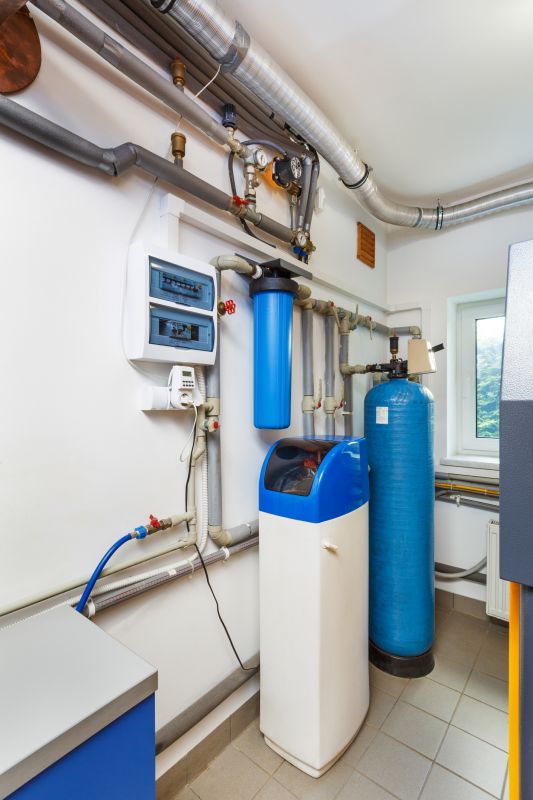
Filtration and chemical treatments improve water clarity and safety.
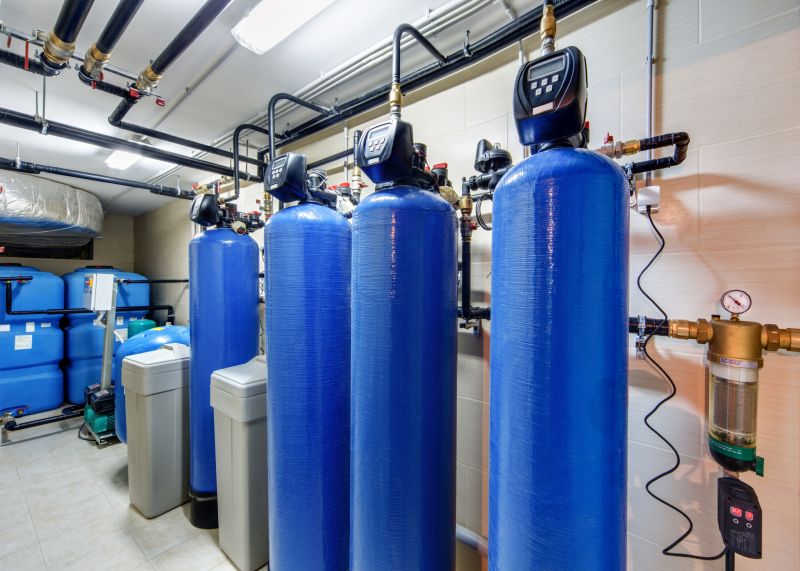
Regular inspections identify potential issues early.
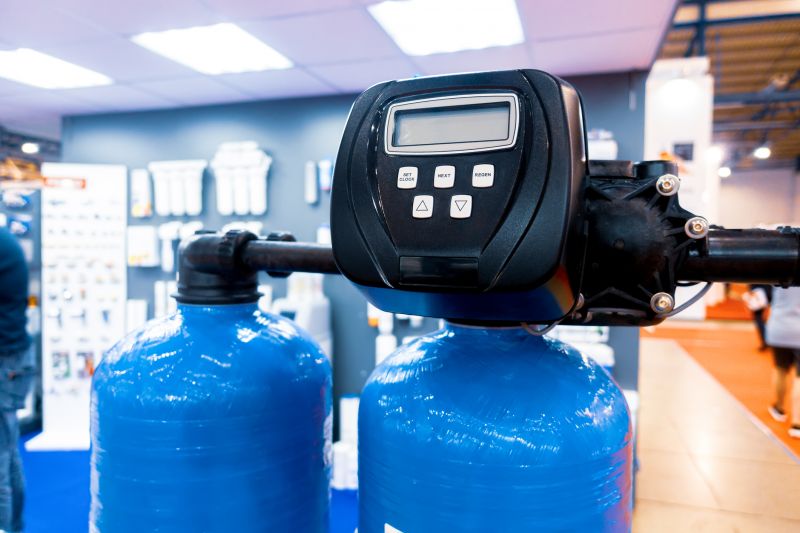
Proper application ensures effective disinfection.
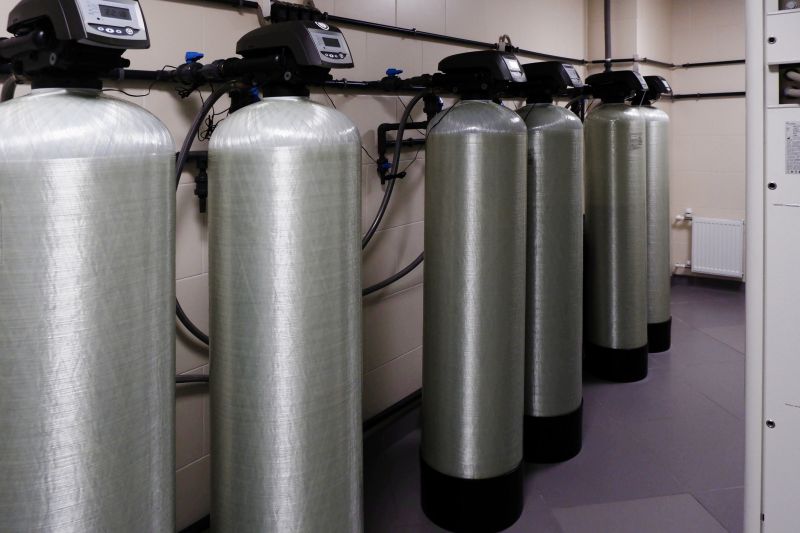
Ways to make Water Treatments work in tight or awkward layouts.
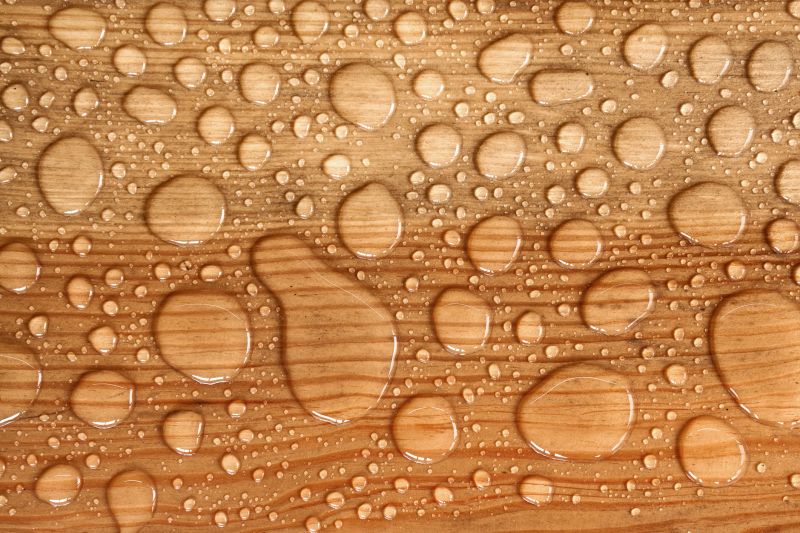
Popular materials for Water Treatments and why they hold up over time.
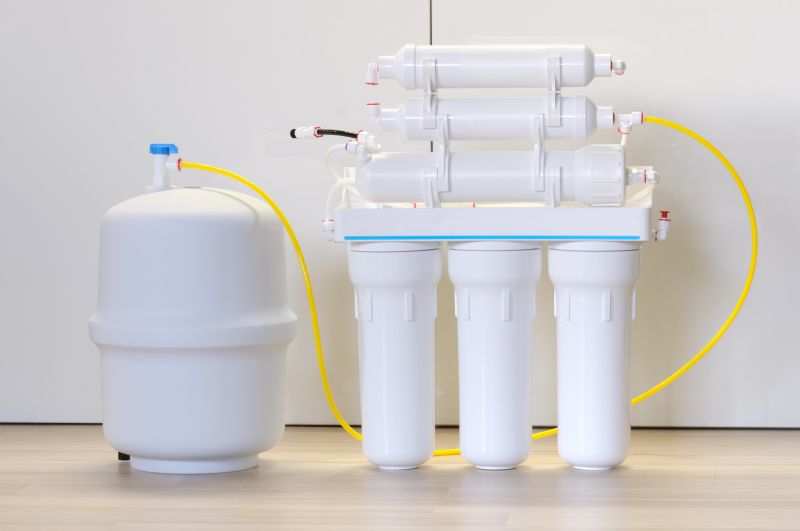
Simple add-ons that improve Water Treatments without blowing the budget.
| Season | Recommended Water Treatment Activities |
|---|---|
| Spring | System flushing, chemical balancing, filter replacement |
| Summer | Regular disinfection, system monitoring |
| Fall | Pre-winter treatments, sediment removal |
| Winter | Maintenance checks, freeze prevention measures |
Water treatments involve various processes to remove contaminants, improve water clarity, and ensure safety. Effective treatments can include filtration, chemical disinfection, and system maintenance. Proper timing maximizes their benefits, reduces long-term costs, and maintains water system integrity.
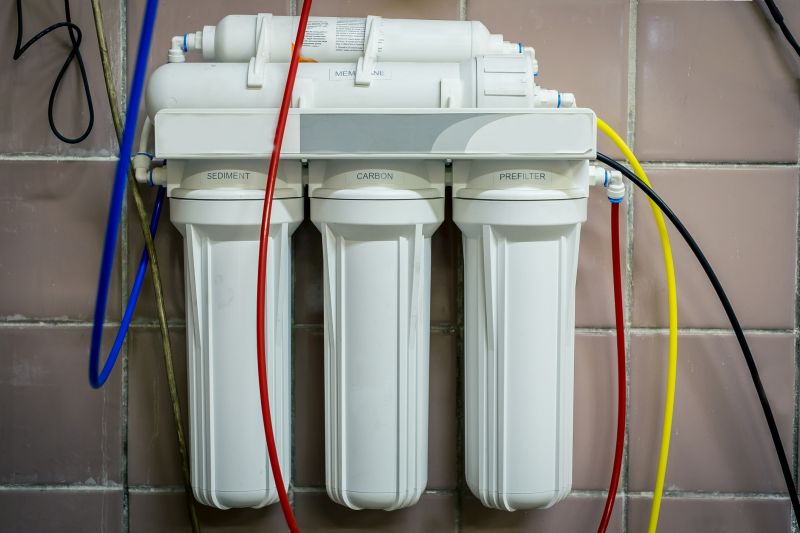
Removes particles and impurities for cleaner water.
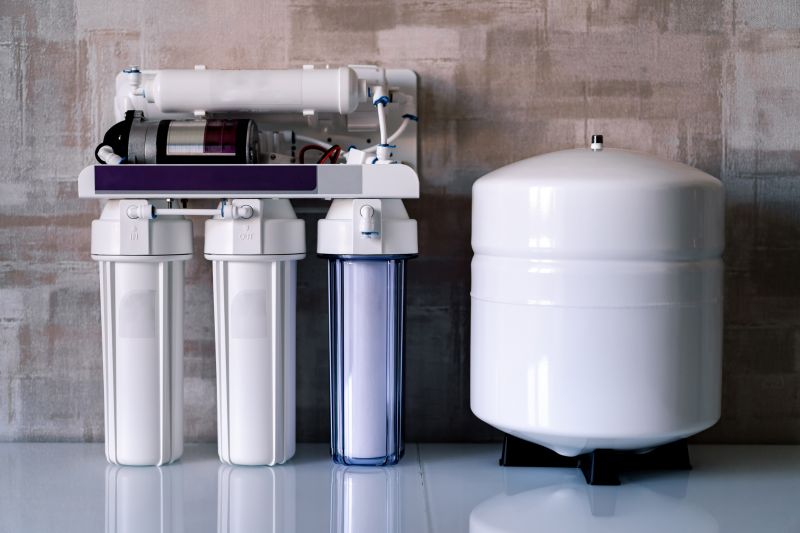
Ensures pathogen elimination and water safety.
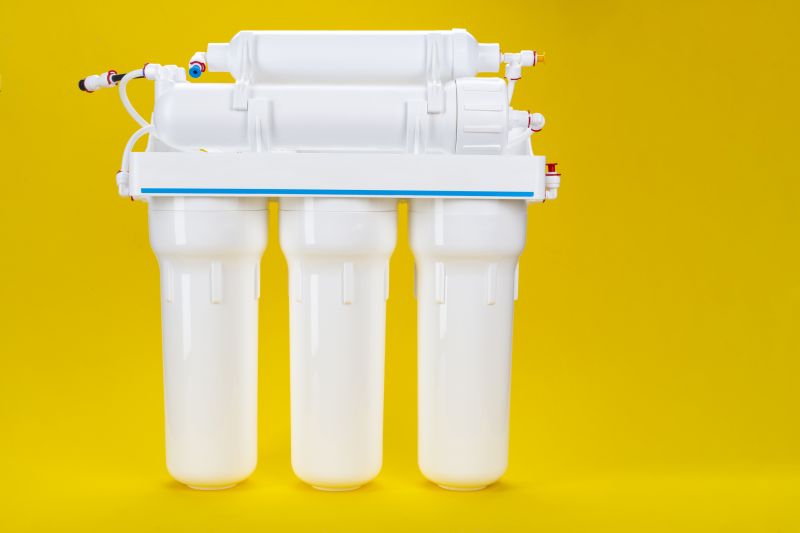
Regular upkeep prevents system failures.
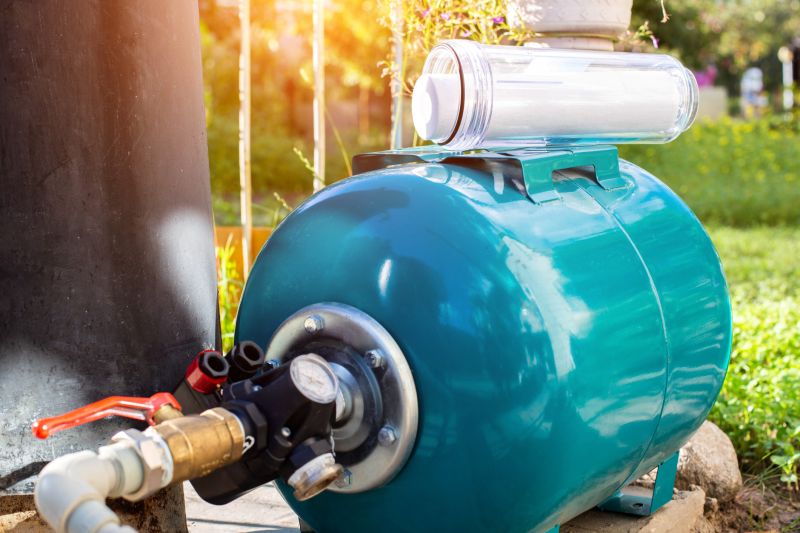
Monitors water parameters for optimal treatment timing.
Frequency depends on water usage, quality, and system type, but regular maintenance is recommended at least annually.
Indicators include foul odors, discoloration, sediment, or reduced system efficiency.
Yes, regular treatments help identify issues early and maintain system performance.
Post-repair treatments help eliminate debris and restore water quality.
Properly timed water treatments are vital for maintaining water quality, system efficiency, and safety. Scheduling treatments according to seasonal needs and water usage patterns ensures optimal results and system longevity. Regular monitoring and maintenance are key components of effective water management.